


We've been constantly receiving requests about practical fish and chip deep fryer safety tips. And now, we're sharing some essential safety practices you can follow for a safer working environment. Running a busy kitchen is all about keeping things moving at a swift pace, but let's not forget that safety always comes first, especially when dealing with something like a commercial deep fryer.
The sizzle of batter as it hits boiling oil is iconic in any fish and chip shop. Yet, this daily routine hides potential hazards that could turn severe if overlooked. With incidents from mismanaged equipment leading to unnecessary hospital visits each year, awareness around proper use becomes critical. Industry Kitchens provides reliable, high-quality commercial deep fryers designed with safety and efficiency in mind.
Table Of Contents:
Understanding the Basics of Deep Frying
Maintaining Quality and Safety in Your Deep Fryer
Proper Deep Fryer Maintenance and Cleaning
Ensuring Seafood Quality for Fish and Chips
Perfecting Your Fish and Chips Recipe
Addressing Deep Frying Mishaps
FAQs about Fish and Chip Deep Fryer Safety Tips
Conclusion
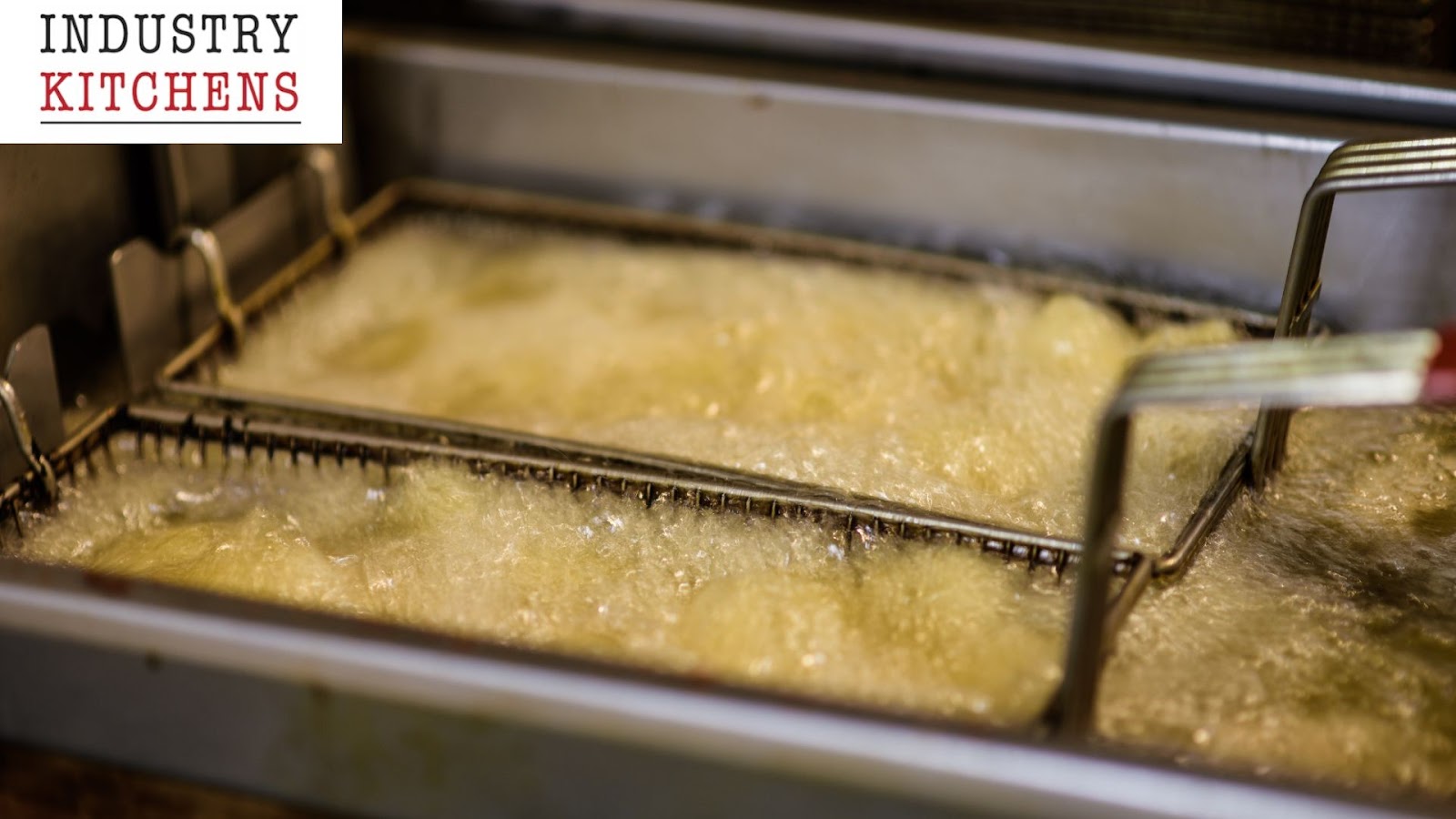
Understanding the Basics of Deep Frying
Understanding how to fry food properly is essential when it comes to fish and chip deep fryer safety tips. You must know the basics to keep things running smoothly and avoid kitchen disasters.
So, let's break it down: when you get why deep frying works the way it does – like knowing the right oil temp and cooking times – you're setting yourself up for safer frying experiences.
When it comes to deep frying, the type of oil you use plays a crucial role. Different oils have different smoking points and flavours, so it's essential to choose the right one for your commercial deep fryer. Whether you prefer the richness of peanut oil or the versatility of canola oil, selecting the best oil ensures optimal frying results and enhances the flavour of your fried foods.
Now, when you've got a good grip on the basics, you can make smarter choices, like picking the best oil for your fryer and making sure you're keeping an eye on that oil temp. It's all about knowing how to handle your frying gear properly and store it safely when you're done. That way, you can spot any potential issues, like oil getting too hot or cramming too much stuff into the fryer, and take action before things go pear-shaped.
Plus, knowing your way around deep frying helps you stick to the rules when working in a busy kitchen. Think about food safety procedures, keeping things clean, and making sure all your gear is in good nick. It's all part of the deal when frying fish and chips for hungry customers.
Bottom line? Get the basics down pat, and you'll be frying your fish and chips while keeping everyone safe and sound.
The Role of Fats in Deep Frying
When deep frying, the oil acts as a heat transfer medium. It cooks your food quickly and evenly, creating that perfect crunch. But the type of fat you use can make or break your dish.
Saturated fats, like coconut oil or lard, are solid at room temperature. They're more stable and less likely to break down under high heat.
On the other hand, unsaturated fats, like vegetable or canola oil, are liquid at room temperature. If they get too hot, there's a higher chance they'll go through oxidation and start to taste pretty funky.
Choosing the Right Oil for Your Commercial Deep Fryer
So, what's the best oil for your commercial gas deep fryer? It all comes down to smoke point.
The smoke point is the temperature at which an oil breaks down and produces smoke. When this goes down, your food might end up tasting bitter and could even pick up some nasty stuff from the oil.
For deep frying, you want an oil with a high smoke point. Some top choices include:
Peanut oil (smoke point: 450°F)
Canola oil (smoke point: 400°F)
Sunflower oil (smoke point: 450°F)
Vegetable oil (smoke point: 400°F)
Avoid oils with low smoke points, like olive oil or butter. They'll burn and smoke before reaching the optimal frying temperature. Remember, use only quality oil formulated for deep frying.
Maintaining Quality and Safety in Your Deep Fryer
Now that you've got the right oil, it's time to talk maintenance. Making sure the oil in your deep fryer stays clean, safe, and delicious is key to keeping those tasty dishes coming and customers smiling.
Changing and Storing Your Deep Fryer Oil
Changing and storing your deep fryer oil is crucial to maintaining food safety and the quality of your fried dishes. Over time, your liquid oil will break down and accumulate food particles, affecting the flavour and quality of your fried foods. That's why it's important to change your oil regularly and remove food debris from the frying basket.
As a general rule, change your oil every 6-8 uses for non-breaded items and every 2-4 uses for fatty meats and fish. If you notice any off-smells, dark colour, or excessive foaming, it's time for a change.
When storing unused oil, keep it in a sealed container in a cool, dry place away from light. Doing this will keep it from going bad too quickly and make sure it stays fresh longer.

Correct Disposal of Used Frying Oil
Proper oil disposal is one of the most common fish and chip deep fryer safety tips. And it's essential to follow safety steps when disposing used frying oil.
Never pour it down the drain as it can clog your pipes and harm the environment. Instead, let the oil cool completely and transfer it to a sealable container. Many recycling centres accept used cooking oil, or you can check with local restaurants to see if they have an oil collection program.
You'll keep your deep fryer running smoothly and your customers coming back for more by following oil-changing routines and disposing your oil safely.
Proper Deep Fryer Maintenance and Cleaning
Proper staff use and understanding of commercial kitchen equipment is essential when we're talking about fish and chip deep fryer safety tips. Staff members should be adequately trained in the safe operation of deep fryer equipment, including how to handle hot oil, use fryer baskets, and maintain proper oil temperatures. This training should also cover emergency procedures and protocols for responding to accidents or equipment malfunctions.
When it comes to cleaning, follow your instructions manual carefully. Consider using mild dish soap and specially formulated cleaning detergent, if you're cleaning deep fryers. Also, do not use vinegar or acidic solutions when cleaning fish and chip deep fryer tanks as these chemicals may damage the tank's materials.
Additionally, having access to a commercial kitchen equipment specialist can be invaluable for maintaining the safety and functionality of deep fryer equipment. These specialists are trained to inspect, repair, and troubleshoot various types of kitchen equipment, including deep fryers. By scheduling regular maintenance checks and addressing any issues promptly, you can ensure that your deep fryer operates safely and efficiently, reducing the risk of accidents or equipment failures in the kitchen.
Ensuring Seafood Quality for Fish and Chips
When you tuck into a plate of fish and chips, it's like diving headfirst into a mouthwatering ocean of flavour. But hold up – the quality of the seafood can make or break your meal faster than you can say “crispy batter.”
Here are some seafood tips you can consider to ensure you serve only the best.
Selecting the Best Fish for Fish and Chips
When it comes to fish and chips, not just any fish will do the job right. You need a white, flaky fish that can handle the heat of deep frying without turning into mush.
Some top choices include:
Cod
Haddock
Pollock
Tilapia
Avoid oily fish like salmon or tuna, as they can become greasy and fall apart during frying.
Whether you're using cod, haddock, or another white fish, finfish quality is everything. Opt for fillets that are firm, with shiny, clear eyes and a fresh sea scent.
Avoid any fishy odours or slimy textures – that's a sign it's past its prime.
If you're feeling fancy, cook prawns, calamari rings, scallops, or crab sticks in your fish and chip deep fryer. But ensure to check seafood or prawn quality - firm, translucent flesh and a clean, briny smell - before frying them. Assess scallop quality too - plump, moist, and odourless - to ensure freshness, safety, and flavour.
For a unique twist on traditional fish and chips, why not try adding freshwater crayfish to the menu? These succulent crustaceans bring a sweet, delicate flavour that pairs perfectly with crispy batter and a squeeze of lemon.
Prepping Fish and Chip Ingredients
One of the most overlooked fish and chip deep fryer safety tips is sourcing and prepping your fish and chip ingredients. When it comes to prepping ingredients for your fish and chip dishes, attention to detail and proper handling practices are essential.
First, let's talk about handling prawns and fish. Seafoods require careful handling to maintain their freshness and quality. Begin by selecting fresh, high-quality seafood from reputable sources.
Keep them refrigerated until you're ready to use them to prevent spoilage. When handling raw seafood, wash your hands thoroughly with soap and water before and after handling them. This helps to prevent the spread of bacteria and ensures seafood safety.
Next is prepping your french fries. Start by selecting high-quality potatoes and cutting them into uniform stripes or shapes for even frying. Many chefs prefer the double-fry method for soft insides and crispy outsides.
Heating oil completely and maintaining the right temperature is crucial to achieving that perfect texture. Also, remember not to overcrowd your frying basket to ensure your fries come out golden brown and delicious every time.
Understanding Fish Doneness Temperature
To ensure your fish is cooked through but still moist and flaky, it's important to monitor the internal temperature. The TGA recommends cooking fish to an internal temperature of 145°F.
Use a digital thermometer to check the thickest part of the fish. If it reads 145°F or higher, it's done. If it's not quite there, let it fry for a minute or two longer.
Keep in mind that the fish will continue to cook slightly after removing it from the oil, so don't overdo it. Overcooking can lead to dry, tough fish.
By selecting high-quality fish and monitoring the doneness temperature, you'll serve perfectly cooked fish and chips every time.

Perfecting Your Fish and Chips Recipe
Next on the list of fish and chip deep fryer safety tips is perfecting your recipe. When you have a well-developed recipe that produces consistently delicious results, it can help reduce the likelihood of mistakes or errors during cooking. Additionally, a recipe that has been refined for optimal flavour and texture can lead to greater customer satisfaction, which is always a priority in the food service industry.
So, let's dive straight into the nitty-gritty of frying perfection and whipping up the ultimate batter.
Achieving Optimal Oil Temperature
The key to crispy, golden-brown fish and chips is the oil temperature. If it's too low, your food will absorb too much oil and become greasy. If it's too high, the outside will burn before the inside is cooked through.
The sweet spot for deep frying fish is between 350°F and 375°F. Use a deep-fry thermometer to monitor the temperature and adjust the heat as needed.
Before adding your fish to the oil, let it come back up to temperature. This will help ensure even cooking and prevent the oil from cooling down too much.
Maintaining oil quality and temperature is essential for safety and food quality in your commercial kitchen. By monitoring the condition of your frying oil and following proper maintenance and replacement procedures, you can create a safer, healthier cooking environment and deliver high-quality fried foods to your customers.
Mastering the Art of Batter Making
A light, crispy batter is the hallmark of great fish and chips. The key is to keep it simple and use cold ingredients.
A basic batter recipe includes:
1 cup all-purpose flour
1 tsp baking powder
1/2 tsp salt
1 cup cold beer or sparkling water
Mix the dry ingredients together, then slowly whisk in the cold liquid until the batter is smooth and lump-free. Avoid overmixing, as this can lead to a tough, chewy texture.
Dip your fish fillets in the batter, letting the excess drip off before carefully lowering them into the hot oil. Fry for 3–5 minutes, or until the batter is golden brown and the fish is cooked through.
By nailing the oil temp for fish and chips and perfecting your batter recipe, you'll be churning out crispy, delicious fish and chips like a pro.
Addressing Deep Frying Mishaps
Even with the best intentions, deep-frying mishaps can happen. Here's what to do when things go wrong and how to prevent accidents in the first place.
Grease fires are one of the most common deep-frying mishaps.
If a fire starts, don't panic. Turn off the heat source immediately and cover the pot with a metal lid or sprinkle baking soda to smother the flames.
Never use water to put out a grease fire — it will only make things worse.
If your oil starts to smoke or smell burnt, it's likely overheated. Remove it from the heat immediately and let it cool before disposing of it properly.
If your fried foods are coming out greasy or undercooked, check your oil temperature. It may be too low, causing the food to absorb too much oil. Adjust the heat and try again.
Essential Equipment for Safe Deep Frying
To keep accidents at bay and make sure your deep frying goes smoothly, it's crucial to arm yourself with the proper gear. Some essential items include:
Heavy-bottomed pot or deep fryer.
Deep-fry thermometer.
Long-handled tongs or spider skimmer.
Wire rack or paper towels for draining.
Fire extinguisher (just in case of fire hazards).
Always wear long sleeves and an apron to protect yourself from splatters, and never leave your deep fryer unattended while in use.
By knowing what to do when deep-frying goes wrong and having the right safety equipment on hand, you can prevent accidents and keep your kitchen running smoothly.
Key Takeaway:
Get the best out of your deep frying by picking the right oil with a high smoke point, like peanut or canola oil. Keep that oil clean and change it regularly to avoid dodgy tastes and safety hazards. And when it comes to fish and chips, choose white, flaky fish for golden perfection every time.
FAQs about Fish and Chip Deep Fryer Safety Tips
What are the safety precautions for a deep fryer?
Keep your area clutter-free, never leave it unattended while on, and always dry food before frying to prevent oil splatter.
Which four precautions should be taken while deep frying food?
Maintain oil at the right temperature, use tools to avoid direct contact with hot oil, wear protective gear, and keep a fire extinguisher nearby.
How to fry chips safely?
Cut them evenly for consistent cooking. Heat oil gradually and don't overcrowd the basket. Let excess oil drip off post-frying.
What are the guidelines for deep frying fish?
Select fresh fish and pat it dry thoroughly. Ensure the batter is cold for crispiness. Fry until golden brown without overloading the fryer.
Conclusion
Operating in a commercial kitchen comes with its own set of challenges and standards. It's essential to adhere to strict work practices to maintain cleanliness, efficiency, and safety.
As part of the food outlet industry, it's crucial to stay informed about industry standards and regulations, especially when it comes to food safety and quality. Familiarize yourself with these standards and ensure that your practices align with industry best practices to deliver top-notch fish and chip meals to your customers.
Last but not least, let's talk about the importance of embracing seafood sustainability. As a responsible seafood provider, it's essential to consider the sustainability of the seafood you use in your fish and chip dishes. Choose seafood from sustainable sources whenever possible to support healthy oceans and ensure a steady seafood supply for future generations.
To wrap up, “Fish and chip deep fryer safety tips are more than mere guidelines; they're ingredients for success.” Remember — smart practices make perfect plates!
Read More:


