


Have you ever wandered into a professional kitchen and been astounded by the gleaming array of stainless steel devices? Ever wondered how restaurant owners make those critical decisions on what restaurant equipment to buy? Knowing how to choose commercial kitchen equipment is an art in itself, not unlike selecting ingredients for that perfect dish.
It requires understanding your needs, doing some homework, and finally making informed choices. We'll peel back the layers of this complex process - from sizing up available space and energy efficiency considerations, through evaluating supplier reputations via online reviews or catering blogs.
We'll even explore must-have items that could boost takeout success. This isn't just about buying gear; it's about equipping yourself with knowledge to build a successful culinary venture. Are you ready to start shopping smart?
Table Of Contents:
How to Choose Commercial Kitchen Equipment: A Guide
Understanding the Importance of Choosing the Right Commercial Kitchen Equipment
Factors to Consider When Choosing Commercial Kitchen Equipment
Prioritize Quality in Your Selections
Assessing Your Available Space for Efficient Setup
Budgeting for Your Commercial Kitchen Equipment
Researching and Selecting Reliable Kitchen Equipment Suppliers
Evaluating Suppliers Based on Their Reputation and Service
Determining the Right Fit for Your Needs
The Value Proposition – Price Vs Quality
Assessing Your Kitchen Needs and Priorities
Kitchen Supplies: Matching Equipment with Cuisine
Planning Space Efficiently
Focusing on Customer Preferences
The Benefits of Energy Efficiency in Commercial Kitchens
Cutting Costs with Efficient Appliances
Compliance and Safety Considerations
Ease of Cleaning and Maintenance
Keeping Up with Trends and Technology
Ensuring Quality and Longevity of Commercial Kitchen Equipment
Maintaining Your Equipment
Investing in Quality
Considering Energy Efficiency
Proper Training for Staff
Frequently Asked Questions:
What determines the equipment selected for a commercial kitchen?
What is the best way to choose standard kitchen equipment?
What are the 5 types of commercial kitchen layouts?
What are the six components of a commercial kitchen?
Conclusion
Understanding the Importance of Choosing the Right Commercial Kitchen Equipment

The world of commercial kitchen equipment is vast and ever-evolving. Navigating the huge global market estimated at $79 billion for commercial kitchen equipment is no mean feat.
When choosing kitchen equipment, several factors come into play. You must consider what your specific commercial kitchen requires. This isn't just about ticking off items on a shopping list; it involves careful selection based on quality and supplier reputation.
Upgrading your current setup can have significant benefits for your business. High-quality products ensure longevity and better service life - which means you won’t be replacing them anytime soon. Additionally, the right kitchen equipment can increase efficiency and speed up production, leading to more satisfied customers.
With that in mind, let's dive into how to choose the best commercial kitchen equipment for your needs.
Factors to Consider When Choosing Commercial Kitchen Equipment
When selecting kitchen equipment, it is crucial to consider several factors. With the right approach, you can ensure that you acquire everything necessary to meet the needs of your business.
Prioritize Quality in Your Selections
When choosing kitchen equipment for commercial use, prioritizing high-quality products that meet food safety standards is crucial. The stainless steel finish not only adds a professional look but also ensures durability, making it ideal for the demanding environment of a commercial kitchen.
By investing in quality equipment, you can maintain cleanliness more effectively, as these products are often easier to clean and sanitize. Moreover, they are designed to withstand the rigors of a busy kitchen, ensuring that they will hold up well even during peak hours with high turnover.
Efficiency is another key factor to consider. Quality kitchen appliances are designed with performance in mind, allowing you to work more efficiently and save precious time. In a fast-paced commercial kitchen, every minute counts, and having reliable equipment can make a significant difference in productivity.
By prioritizing quality in your selections, you can ensure that your commercial kitchen is equipped with reliable, durable, and efficient equipment that meets food safety standards, ultimately contributing to the success of your operations.
Assessing Your Available Space for Efficient Setup
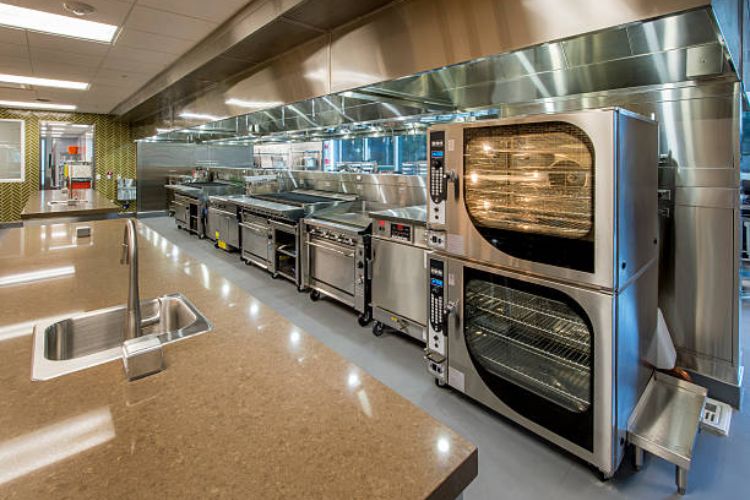
Assessing your available space for efficient setup is crucial when selecting commercial equipment for several reasons.
Firstly, considering the size of your kitchen allows you to determine the most suitable appliances that will optimize functionality. By understanding the dimensions of your space, you can choose equipment that fits perfectly and avoids any unnecessary clutter or obstruction.
Secondly, efficient use of space is essential for maximizing workflow and productivity in a commercial kitchen. By carefully planning and selecting equipment that fits seamlessly, you can create a well-organized and efficient workspace. This not only improves the overall efficiency of your operations but also enhances the safety and comfort of your staff.
Lastly, considering the available space helps you avoid any potential issues with installation and maintenance. Some equipment may require specific ventilation or spacing requirements, and taking these into account during the selection process can save you time, money, and potential headaches in the long run.
Budgeting for Your Commercial Kitchen Equipment
Budgeting for restaurant kitchen equipment is another crucial factor to consider when selecting the right equipment. The cost implications should not be overlooked, as equipping a commercial kitchen can range anywhere between $40k-$200k.
This cost may vary depending on factors such as the menus offered, location, and specific features needed. It is essential to carefully consider your budget to ensure that you can afford the necessary equipment while still meeting your operational requirements.
By budgeting effectively, you can make informed decisions and ensure that your commercial kitchen is equipped with the necessary tools to succeed.
Key Takeaway:
Space, Safety & Savings: When selecting commercial kitchen gear, keep in mind your available space for an efficient setup. Prioritise energy-efficient and safe stainless steel appliances to ensure food safety and longevity. And remember, while the initial investment may be high, opting for quality equipment will save you more down the line.
Researching and Selecting Reliable Kitchen Equipment Suppliers

Finding trustworthy suppliers for your commercial kitchen can be a task. Don't fret - we have some useful advice to assist you in locating dependable suppliers for your commercial kitchen.
Evaluating Suppliers Based on Their Reputation and Service
A good supplier is more than just their products; it's about the service they provide too. Consider factors such as delivery speed, after-sales support, and warranty conditions when selecting equipment.
Reading online reviews from other customers is an excellent way of assessing a supplier's reputation. Remember though, while one negative review shouldn’t make or break your decision, a pattern of poor feedback should raise red flags.
You might also want to take advantage of resources like catering blogs. These often feature expert advice on choosing suppliers along with real-world experiences shared by industry peers.
Determining the Right Fit for Your Needs
Not all cooking spaces are the same - one size may not fit all. When looking at potential suppliers ask yourself: "Does this company understand my needs?
Can they supply equipment that fits my specific requirements?" This could range from high-capacity ovens for busy restaurants to compact appliances suitable for food trucks.
Don't be afraid to request product specifications and equipment dimensions to ensure that the supplier's offerings align with your kitchen space.
The Value Proposition – Price Vs Quality
Last but definitely not least is the balance between price and quality. Although costlier, high-quality products may prove to be more economical in the long run due to their longevity and performance. So don't be lured by low prices alone – remember to consider the equipment's service life as well.
Do your research – compare prices, read customer reviews, and ask for product demonstrations. Make sure you're getting the best value for your money.
Key Takeaway:
Looking for trustworthy commercial kitchen suppliers can be tough, but don't sweat it. Focus on reputation and service quality, check out customer reviews to measure reliability, and tap into industry blogs for advice. Find a supplier that matches your specific needs – maybe you need large-scale ovens or small appliances. But remember, don't let price alone sway you; high-quality is key.
Assessing Your Kitchen Needs and Priorities

To guarantee your restaurant's success, it is essential to ensure the kitchen equipment aligns with the food you are serving. From fine dining to fast-food joints, each restaurant has unique needs.
Quality is paramount in any commercial kitchen. Investing in high-quality products can make sure that your dishes are consistently delicious and save time by streamlining processes. Quality doesn't just refer to taste but also hygiene; for instance, stainless steel surfaces offer excellent resistance against bacteria - crucial for maintaining food safety.
Kitchen Supplies: Matching Equipment with Cuisine
The menu dictates the kind of appliances needed in a commercial kitchen. For example, an Italian bistro may need pasta boilers while sushi restaurants require special refrigerators for raw fish storage.
Your catering equipment must be robust enough to handle the workload without frequent breakdowns or maintenance issues affecting service life – especially during peak hours when demand is highest.
Planning Space Efficiently
A well-planned space helps chefs move seamlessly from one task to another without wasting time or energy. Proper arrangement not only enhances productivity but also reduces potential accidents due to overcrowding or disarray within the cooking area.
Focusing on Customer Preferences
If takeaways form a large part of your business model (as they do these days), consider investing more heavily into items like Bain Marie or food warmers which keep takeaway meals hot until they reach customers' hands. Also, remember that customers value speed as much as quality - ensuring both will set up your eatery for success.
The Benefits of Energy Efficiency in Commercial Kitchens
Energy efficiency is not just a buzzword. It's an essential aspect to consider when purchasing kitchen equipment for your commercial space.
Firstly, energy-efficient appliances are good for the environment. They consume less power, reducing carbon emissions and contributing towards a greener planet. So you're not only saving money but also doing your bit to save our world.
A key factor influencing the uptake of these eco-friendly tools? The growth of the tourism industry. As more folks dine out or order takeaways, restaurants need quality gear that won't let them down during high turnover periods.
Cutting Costs with Efficient Appliances
An efficient appliance uses less energy, meaning lower utility bills each month. Over time this can lead to significant savings which might be invested back into improving service or expanding operations.
Beyond this obvious financial benefit, there’s another advantage often overlooked: longevity. Good-quality products like stainless steel ovens or bain maries tend to have longer service lives because they’re designed better and use resources more effectively.
Key Takeaway:
Energy efficiency in commercial kitchens isn't just about saving cash, it's a long-term investment. Efficient appliances reduce your carbon footprint and handle high customer demand with ease. Plus, they last longer due to superior design. So when buying kitchen gear, consider the environment and future savings – not just the upfront cost.
Compliance and Safety Considerations

Compliance and safety considerations are of utmost importance when selecting commercial kitchen equipment. Ensure that the products you choose meet all relevant safety standards set by regulatory bodies in your area.
It is also crucial to select equipment that conforms to food safety regulations, such as those relating to hygiene, sanitation, and proper storage. This not only ensures the safety of your customers but also helps you avoid any potential legal issues that may arise from non-compliance.
Furthermore, regularly maintaining and servicing your equipment is vital for both safety and compliance. By staying on top of maintenance schedules and addressing any issues promptly, you can prevent accidents and ensure that your kitchen operates smoothly and safely.
Ease of Cleaning and Maintenance
Efficiency in a commercial kitchen also relies on the ability to clean and maintain equipment easily. The more straightforward the cleaning process, the faster you can get back to serving your customers. Choosing products with removable parts or self-cleaning features can save time and effort, making them worth considering.
Additionally, opting for low-maintenance equipment can save money in the long run, as it reduces the need for frequent repairs and replacements. Prioritizing ease of cleaning and maintenance in your selections can improve overall productivity and reduce downtime in a commercial kitchen.
Keeping Up with Trends and Technology
Lastly, keeping up with trends and technology is essential when selecting commercial kitchen equipment. As the culinary industry evolves, so do the demands of customers. Staying updated with the latest equipment and technology can give you a competitive edge in providing unique and efficient services.
Moreover, advancements in technology have also led to more energy-efficient and environmentally friendly options, which can save on costs and make your kitchen operations more sustainable.
Ensuring Quality and Longevity of Commercial Kitchen Equipment

Your commercial kitchen equipment is a significant investment. Ensuring you acquire superior quality items that will endure is essential for your commercial kitchen equipment investment.
But how can you make sure your equipment will stand the test of time? Let's delve into this.
Maintaining Your Equipment
Maintenance plays a vital role in extending the lifespan of your gear too. Regular cleaning prevents build-up on parts which could cause damage over time – think stainless steel components tarnishing if not properly cared for. Also remember food safety: a well-maintained kit means less risk of cross-contamination.
You also need timely servicing and repair; nipping small issues in the bud before they become big problems extends equipment life significantly. Note: Don't forget warranties. A good warranty shows supplier confidence in product durability and offers peace of mind should anything go wrong during its term.
Investing in Quality
While it may be tempting to go for the cheapest option, investing in quality equipment will save you money and headaches in the long run. High-quality equipment is built with durable materials and better technology, meaning it will perform better and last longer.
While the initial cost may be higher, quality equipment has a lower risk of breaking down or needing repairs, saving you money on maintenance and replacement costs.
Considering Energy Efficiency
In addition to quality, it is important to consider the energy efficiency of your commercial kitchen equipment. Energy-efficient appliances not only save you money on utility bills but also have a longer lifespan due to less wear and tear.
Look for ENERGY STAR certified equipment, which meets strict energy efficiency guidelines set by the government. Not only will you be saving money and reducing your carbon footprint, but you will also be ensuring the longevity of your equipment.
Proper Training for Staff
Properly trained staff is crucial in maintaining the quality and longevity of your commercial kitchen equipment. Make sure all employees are trained on how to use and care for the equipment properly.
This includes following proper cleaning procedures, handling food properly to prevent damage to equipment, and reporting any issues or malfunctions immediately. With proper training, your staff can help extend the lifespan of your equipment.
Key Takeaway:
Investing in high-quality commercial kitchen equipment might seem costly upfront, but it pays off in the long run. Choosing reputable suppliers and energy-efficient appliances enhances durability while regular maintenance checks prevent minor issues from becoming major problems. Remember - saving now could mean spending more later due to frequent replacements or repairs.
Frequently Asked Questions:
What determines the equipment selected for a commercial kitchen?
When selecting equipment, various factors come into play, including your menu, available space, energy efficiency needs, and budget. These considerations are crucial in making the right choice for your establishment.
What is the best way to choose standard kitchen equipment?
When choosing a product, it's important to prioritize durability, safety standards, and performance. Additionally, take into consideration the reputation of the supplier, warranty offers, and post-purchase service. These factors will ensure a high-quality purchase that meets your needs.
What are the 5 types of commercial kitchen layouts?
There are five primary kitchen layouts: Island Style, Zone Style, Assembly Line Layouts (ideal for fast food establishments), Open Kitchen Design, and Ergonomic Kitchen Design. These layouts offer a range of options to suit different needs and preferences, ensuring an efficient and functional kitchen space.
What are the six components of a commercial kitchen?
A comprehensive commercial kitchen comprises various functional areas. These include storage areas such as pantries and refrigerators, prep stations for cutting and mixing, cooking sections equipped with ovens, stoves, and grills, serving stations like buffet lines and cashier counters, designated cleaning zones, and administrative areas.
Conclusion
In conclusion, choosing commercial kitchen equipment requires thoughtful consideration and strategic planning. From understanding your specific needs based on your menu to considering the layout and space limitations of your kitchen, every detail is essential.
Investing in quality, energy-efficient appliances from reputable suppliers assures longevity and performance, while regular maintenance and staff training further enhance durability and operational efficiency.
By following this guide, you can make informed decisions when equipping your commercial kitchen, ensuring it is not only functional and efficient but also a space that fosters creativity and culinary excellence.
Invest in the best commercial kitchen equipment for your establishment, and set yourself up for success now and in the future!
Read more of our related articles:


