


Ever walked into a bustling commercial kitchen, the air rich with aromas of simmering sauces and freshly baked bread? Amidst all that delicious chaos, there's one unsung hero quietly working its magic - the combi oven. How to clean and maintain commercial combi ovens, you ask?
The answer may not be as straightforward as it appears. Like an orchestra conductor needs their baton in tip-top shape or a gardener their tools sharpened and ready; for chefs too, taking care of this culinary workhorse is essential.
That's why in this blog post, we'll cover everything from how to do a deep clean of a combi oven, the proper maintenance schedule for it, and finally, how to keep your investment safe in the long run.
Table Of Contents:
How to Clean and Maintain Commercial Combi Ovens
Understanding the Basics of Commercial Combi Ovens
The Role of Water Quality in Combi Oven Performance
Maintaining Your Commercial Oven: The Steam Cycle
Daily Cleaning Practices for Commercial Combi Ovens
Oven Clean: Inside Matters Too.
Regular Maintenance: The Key To Longevity
Deep Cleaning Techniques for Commercial Combi Ovens
Natural Cleaning Agents for Deep Cleaning
The Role of High Temperatures in Deep Cleansing
A Self-Cleaning Feature That Works Wonders
Proper Maintenance Tips for Commercial Combi Ovens
The Importance of Regular Filter Changes
Ensure Proper Ventilation
Follow Manufacturer Guidelines
Troubleshooting Common Issues with Commercial Combi Ovens
Recognizing and Addressing Error Codes
The Oven isn’t Heating Up Properly
Inconsistent Cooking Results
Frequently Asked Questions:
How do you maintain a combi oven?
How do I clean a combi oven?
How do you clean commercial convection ovens?
How often do you clean a combi oven?
Conclusion
Understanding the Basics of Commercial Combi Ovens

Commercial combi ovens are game-changers in commercial kitchens. They're an efficient blend of convection ovens, steam ovens, and deck ovens.
The unique aspect of these kitchen appliances is their ability to switch between dry heat cooking (convection) and moist heat cooking (steam). This versatility makes them ideal for everything from baking pastries to steaming vegetables.
With such wide-ranging capabilities, it's no surprise that they've become staples in energy-efficient professional kitchens.
The Role of Water Quality in Combi Oven Performance
All brands of combi ovens need good water quality. Bad water can lead to limescale build-up which reduces efficiency and increases running costs over time.
Avoiding this issue begins with proper installation; most issues with combi ovens stem from incorrect setup according to industry reports. Using a filtration system designed for your specific model helps maintain optimal performance while extending the life span of your appliance.
Maintaining Your Commercial Oven: The Steam Cycle
To keep your commercial oven at its best, regular maintenance is key - especially when using the steam cycle frequently as hard-water scale deposits can form quickly within these systems if left unchecked.
This doesn't just apply to new or top-of-the-line models either - even older models require careful attention paid to maintaining water quality.
Note: "Every brand has different requirements regarding minimum levels."If you’re unsure what those might be for you, check out our guide on understanding each manufacturer’s manual.
Daily Cleaning Practices for Commercial Combi Ovens

Keeping your commercial combi oven clean isn't just about making it look good. It's also crucial to the efficiency, performance, and lifespan of your appliance.
The daily cleaning process is relatively simple but essential. Start by wiping down the stainless steel exterior with a soft cloth soaked in warm soapy water. Make sure you get into all those nooks and crannies where food debris can hide.
A damp cloth should be used on touchscreens too as they're designed to be waterproof, though keep in mind they won’t withstand pressure hoses. A quick wipe every day helps prevent grime build-up that could affect its functionality over time.
Oven Clean: Inside Matters Too.
Cleaning the interior needs special care since this is where your food gets cooked. Begin by removing any loose crumbs or bits of food left from cooking. Next, use approved cleaning products specifically made for ovens today – these are often more effective at breaking down tough stains than regular household cleaners.
If you find stubborn spots of burnt-on grease or food, don’t worry. That’s what a wet paper towel is for; gently scrubbing away will usually do the trick. Don't forget about those hard-to-reach areas like behind oven racks – they need love too.
Regular Maintenance: The Key To Longevity
Beyond everyday tidying up, weekly deep cleans are advised to maintain optimum condition within commercial kitchens. This might sound daunting but remember - prevention always beats cure when it comes to maintenance work on such high-value kitchen appliances like combi ovens.
So, why wait until something goes wrong? Make sure you're on top of cleaning and maintenance with regular check-ins to keep your combi oven running smoothly. This way, you can enjoy the best performance out of your appliance and get the most out of it for years to come.
Deep Cleaning Techniques for Commercial Combi Ovens

Regular cleaning of commercial ovens is vital to prevent bacteria buildup and maintain hygiene. However, it's not just about a quick wipe down; deep cleaning plays an equally crucial role.
Natural Cleaning Agents for Deep Cleaning
Cleaning your combi oven thoroughly doesn't always require harsh chemicals or steel wool. Surprisingly, natural cleaning solutions can be highly effective against tough stains and stubborn residue. One such solution is a mixture of baking soda and hot soapy water, which works wonders on grime.
Additionally, vinegar is a powerful ally when it comes to dealing with grease or burnt food particles. After applying the baking soda paste, simply spray vinegar onto the problem areas and let it work its magic.
If you prefer, there are also specialized oven cleaner products available for combi ovens, offering additional benefits such as being non-toxic or biodegradable – perfect for maintaining an eco-friendly kitchen.
The Role of High Temperatures in Deep Cleansing
When facing persistent dirt spots, heat might be your best friend. Many commercial kitchens use steam as part of their manual cleaning methods because high temperatures can loosen even the most stubborn deposits making them easier to scrub off.
A Self-Cleaning Feature That Works Wonders
If all else fails (or if you simply want to save time), many modern combi ovens come equipped with self-cleaning features that utilize extreme heat over prolonged periods – effectively turning any leftover debris into ash which can then easily be wiped away once the oven cools down.
So, while cleaning your commercial combi oven might seem like a daunting task, it's definitely doable with the right techniques and some elbow grease.
Key Takeaway:
Don't sweat over deep cleaning your commercial combi oven. You've got a bunch of options - DIY methods with baking soda and vinegar, non-toxic cleaners made for combi ovens, heat-assisted cleanses, or even self-cleaning features.
Proper Maintenance Tips for Commercial Combi Ovens

Maintaining your commercial combi oven in optimal condition is a crucial part of running a successful kitchen. Regular maintenance not only ensures maximum efficiency but also extends the lifespan of your appliance.
The Importance of Regular Filter Changes
A well-maintained filter system plays a vital role in the performance and longevity of combi ovens. Filters need regular changes, as mentioned in every manufacturer's manual. But why?
Hoses such as drain lines and steam bypass can wear out over time due to heavy usage or build-up from cooking debris. As these hoses deteriorate, they may restrict airflow causing poor performance or even potential damage to other components.
This is where filters come into play - by catching this debris before it causes harm. It's much like how you'd take care not to clog up your home vacuum cleaner with large objects that could break it.
To keep track of when to change filters, many modern combis will send an error code warning that filter replacement is needed – acting much like a friendly reminder from the machine itself. This feature helps prevent unexpected downtime and maintains peak operating conditions.
Ensure Proper Ventilation
It is also important to ensure that the ventilation surrounding your combi oven remains clean. A blocked or restricted airflow can cause a variety of issues, such as smoke spillage into other parts of the kitchen and the risk of kitchen fires.
Regularly cleaning around the unit and inspecting for obstructions will help guarantee optimal performance. Consider installing an exhaust hood or ventilator to help with airflow and reduce the risk of fire hazards.
Follow Manufacturer Guidelines
It's essential that you follow your manufacturer's guidelines for proper combi oven maintenance. This includes any specific instructions regarding cleaning, storage, water quality, filter changes, etc.
Adhering to a routine schedule of regular maintenance will help ensure optimal performance and a longer lifespan for your commercial combi oven. In the long run, this will save you time and money by avoiding costly repairs down the line.
Troubleshooting Common Issues with Commercial Combi Ovens
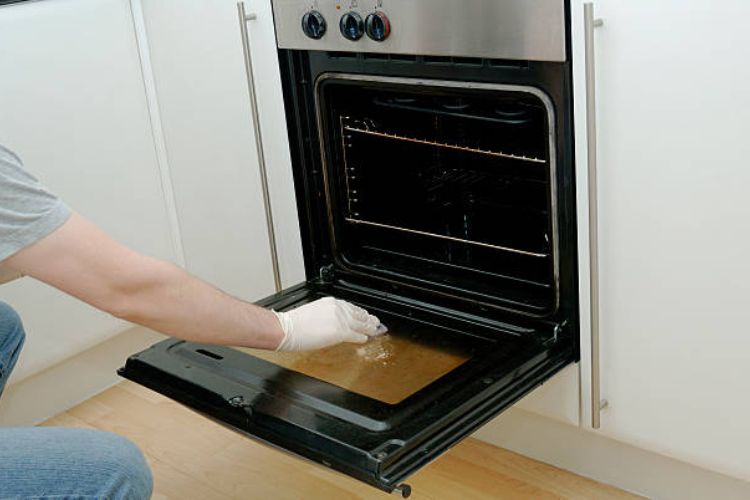
Encountering troubles with your commercial combi oven can be a daunting experience. However, there's no need to worry, as most issues are typical and can be easily resolved.
Recognizing and Addressing Error Codes
Your combi oven will communicate through error codes when something's amiss. It might look like gibberish at first glance but these codes tell you exactly what needs fixing.
A prevalent issue is the filter warning signal that many ovens send out. This typically indicates that it's time to change filters. Ignoring this could lead to performance issues, so make sure to address it promptly.
Sometimes, an unexpected shutdown happens because of overheating or power supply faults. If you're dealing with such situations often, reach out for professional help as these require more technical expertise.
The Oven isn’t Heating Up Properly
If your combi oven isn't reaching its set temperature or taking too long to heat up, check the thermostat calibration first - it might just need adjusting. The heating elements may also be worn-out which calls for replacements rather than repair work.
If the fan isn’t working properly, then it could be an indication of a faulty motor. Make sure to get that checked out by technicians as soon as possible so your oven can start up again without any issues.
Inconsistent Cooking Results
Facing uneven cooking results? You'd probably want to give your convection fan a quick check-up since faulty fans tend to distribute heat inconsistently throughout the oven chamber leading to those half-cooked pies we all dread.
Sometimes, inadequate insulation can also be the reason behind your inconsistent cooking results. To get to the root of this problem, you may want to conduct a thorough inspection of the oven door seals and gaskets. If necessary, replacements should be done right away before any further damage is caused.
Keep in mind that some repairs should only be performed by certified professionals due to their complexity – safety first. By understanding these common issues and troubleshooting steps, you can keep your combi oven performing at its best.
Frequently Asked Questions:
How do you maintain a combi oven?
To keep your combi oven in top shape, follow the manufacturer's maintenance guide. Regularly check and change filters, inspect moving parts like conveyor belts, and monitor water quality.
How do I clean a combi oven?
Clean daily with warm soapy water and a soft cloth. For deep oven cleaning, use natural agents like baking soda or vinegar. Some models have self-cleaning features for added convenience.
How do you clean commercial convection ovens?
Wipe down after each use with mild detergent and warm water to prevent buildup. Schedule regular deep cleans using high-temperature or steam methods as per manufacturer instructions.
How often do you clean a combi oven?
Aim to wipe down your combi oven daily after cooking sessions. Plan for more thorough deep cleaning every week or fortnight depending on usage intensity.
Conclusion
Remember, a commercial combi oven is not just any appliance; it's the heart of your kitchen. It's important to keep this heart healthy by knowing how to clean and maintain it properly.
Maintaining good water quality is crucial for optimal performance. Establish a daily cleaning routine using gentle agents such as a soft cloth and soapy water. For tough stains, you can use natural cleaners like baking soda, vinegar, or lemon juice. Also, don't forget to regularly change the filters - it's essential!
It's also important to become familiar with troubleshooting common issues and recognizing error codes. Whether you have a combi oven or a conventional one, it's essential to understand the pros and cons of your chosen oven type.
In essence, treat your combi oven like a precious tool to extend its lifespan. By taking good care of it, you'll ensure a smoothly operating kitchen and achieve delectable results every time!
If you're in search of the best combi ovens in the market, browse through our list of top-rated models today.
Read more of our related articles:


