


Ever stood in your kitchen, holding a bottle of bleach and wondering where should cleaning chemicals be stored in a kitchen? Or perhaps you've tried to tidy up under the sink only to find an army of assorted cleaners, sprays, and detergents amassed there?
All are aware that tidiness is paramount in the kitchen. But what about those unsung heroes - our cleaning supplies? They scrub off stubborn stains, banish bacteria but could also cause havoc if not stored properly.
In this guide, we'll unveil the secrets behind effective chemical safety practices for storing cleaning products. We’ll share practical storage tips that make these essentials easily accessible yet safely tucked away from prying hands or accidental spills.
Don't dash off just yet! You might be surprised to discover how a well-organised laundry room can make your work operations smoother and save you time. So, are you all set for some nuggets of housekeeping wisdom?
Table Of Contents:
Importance of Proper Storage for Cleaning Chemicals
Creating an Effective Chemical Safety Program
Identifying Suitable Storage Areas in the Kitchen
Proper Storage Tips for Cleaning Chemicals
Best Practices for Storing Cleaning Chemicals
Ensuring Safety When Storing Cleaning Chemicals
Training Staff on Proper Chemical Handling and Storage
Regular Maintenance and Inspections for Chemical Storage
FAQs about Where Should Cleaning Chemicals Be Stored in a Kitchen
Conclusion
Importance of Proper Storage for Cleaning Chemicals
Many people forget the importance of correctly storing cleaning chemicals. In a kitchen, it's not just about tidiness but also safety and efficiency. Let's shed some light on this overlooked topic.
Why Proper Storage Matters
Mishandling or mismanagement of cleaning supplies often slips under the radar in safety evaluations and audits. This can lead to accidents that could have been easily avoided with proper storage procedures.
Cleaning products like window or bathroom cleaners may seem harmless enough at home, but they become hazardous when improperly stored in commercial kitchens where usage is more frequent and volumes are larger.
Safety doesn't end after using these chemicals; it extends to how we store them afterwards. Misplaced chemical containers can cause accidental mix-ups leading to harmful reactions, spills causing slip hazards, or even exposure to toxic fumes if lids aren’t secured properly.
The right storage practices will not only make your kitchen safer but also boost its efficiency by keeping everything tidy and accessible.
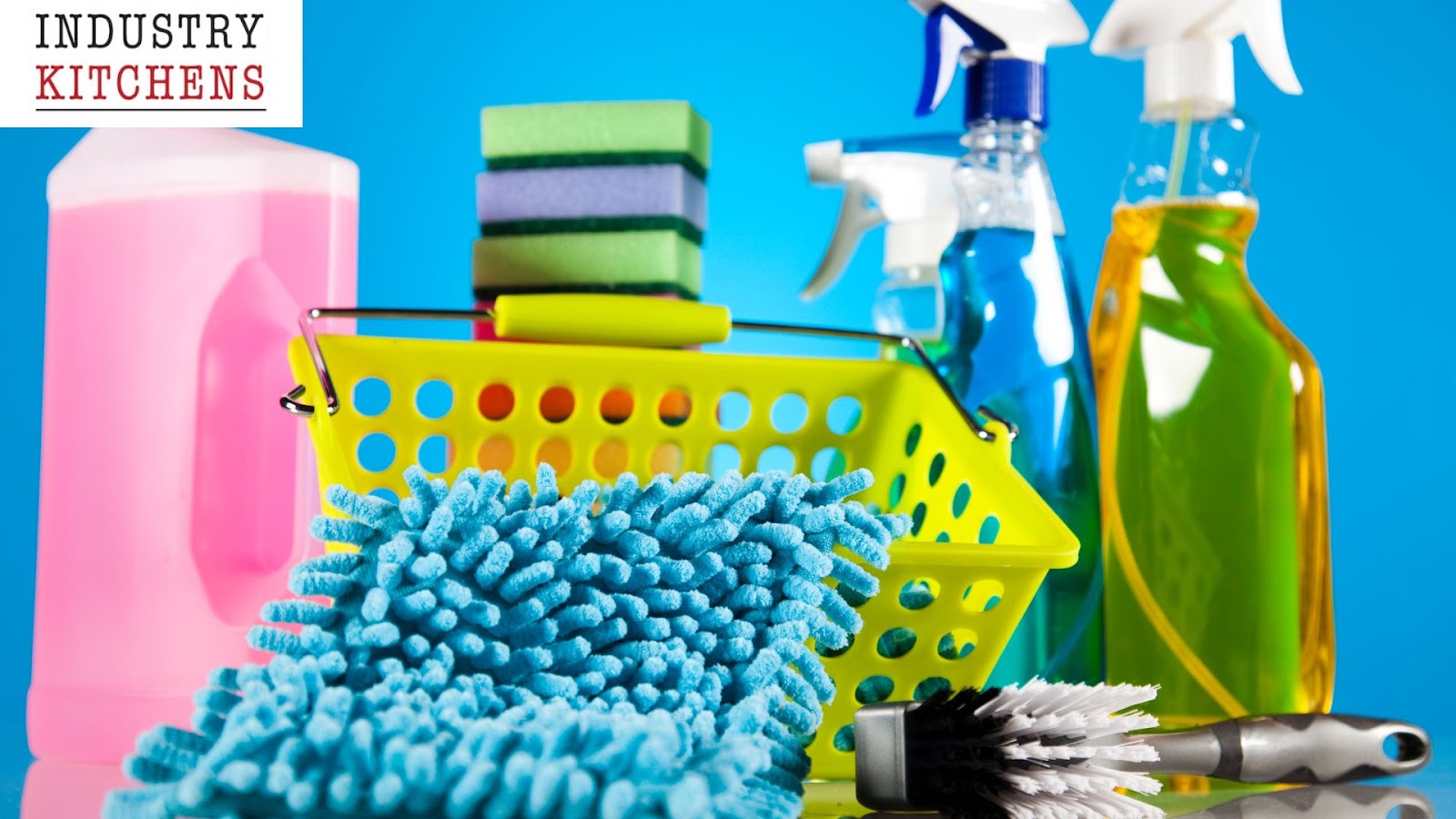
A Place for Everything… Especially Cleaning Chemicals
Finding an appropriate spot for your cleaning agents is crucial because each product has specific storage requirements you need to consider: temperature range, ventilation needs etc. (OSHA's guide).
Bathroom cleaning products: Keep away from food service areas due to the static electricity risk associated with aerosols which might ignite nearby ignition sources.
Window cleaners: As they're typically liquid-based, avoid placing them near heat sources which could cause their containers to burst open unexpectedly.
Whether you're storing cleaning chemicals in a portable caddy or a dedicated cupboard, make sure it's easily accessible to your staff but out of reach for anyone who doesn't need to use them. A tidy kitchen is not just about appearances; it's also a safer and more efficient workspace.
Key Takeaway:
Storing cleaning chemicals correctly in your kitchen isn't just about being tidy, it's crucial for safety and efficiency. Mismanaged supplies can lead to accidents or exposure to toxic fumes. Each product has unique storage needs like temperature range and ventilation, so find an appropriate spot that is accessible but out of reach from those who don't need them.
Understanding the Hazards of Cleaning Chemicals
The hazards associated with cleaning chemicals in kitchens aren't just limited to potential spills or skin contact. The risks are more complex and far-reaching, affecting both immediate safety and long-term health.
Recognizing Signal Words and Hazard Classes
To start, it's crucial to be able to interpret signal words and hazard classes on chemical labels. It may seem like a small task but these words offer important insights into the nature of the substance inside.
OSHA's guide, for instance, can help you decipher what each term means – 'flammable', 'corrosive', 'toxic'. These classifications not only indicate how harmful a product might be but also give us clues about safe handling procedures.
You'd think twice before casually tossing around something labelled as an explosive. But did you know that certain everyday kitchen cleaning products fall under this category too? This is because they contain substances which could ignite easily when exposed to heat or friction. Other categories include irritants (which cause inflammation) or sensitizers (which trigger allergic reactions).
In addition, while some chemicals considered safe for domestic use may present greater risks in professional settings due to frequency and duration of exposure. It’s surprising how many people forget this fact.
Another vital aspect often overlooked involves mixing different types of cleaning agents. When combined without proper knowledge, they can react dangerously producing toxic gases; hence why we should never mix bleach with anything other than water.

Creating an Effective Chemical Safety Program
A comprehensive chemical safety program is crucial for managing kitchen cleaning supplies. It's like a roadmap, guiding you to handle and store chemicals properly.
Role of Safety Data Sheets in Chemical Safety
Safety Data Sheets (SDS) play a key role here. They're akin to user manuals, but for cleaning products. These sheets contain valuable information about the product's properties, hazards, safe handling instructions and emergency procedures.
If you've ever assembled flat-pack furniture using an instruction manual, then consider SDS as your go-to guide for dealing with cleaning chemicals. They provide important details that help ensure effective chemical safety.
OSHA guidelines underline the importance of having these data sheets at hand in maintaining a safe environment - it’s just like having the right recipe while cooking.
The effectiveness of any safety program hinges on regular inspections too. Imagine them as health check-ups but for your storage areas; they help spot potential issues before they turn into accidents.
Much like getting our car serviced regularly prevents unexpected breakdowns. Following routine inspections makes sure we’re on top of things when it comes to handling and storing dangerous substances such as cleaning agents.
An effective chemical safety program takes all this into account - think of it as building up layers upon layers of protective measures: from understanding what’s inside those bottles under your sink (Safety Data Sheets) to checking how well they are stored (routine inspections).
Are you aware of the risks associated with not washing your hands after using cleaning chemicals? Discover why it's crucial to prioritize hand hygiene to protect your health and prevent accidental poisoning.
Identifying Suitable Storage Areas in the Kitchen
The first step to safely store cleaning chemicals is identifying a suitable storage area. It's like picking out your own room - you wouldn't want it too hot, or cold, right? The same goes for your cleaning supplies.
Factors to Consider When Choosing a Storage Area
A prime factor when choosing a space for storing cleaning agents is temperature control. A CDC guide on chemical safety suggests that most products need stable temperatures and should avoid direct sunlight. So, forget about using that sunny window sill as your go-to spot.
Ventilation also plays an important role here; proper air flow can prevent build-up of harmful fumes from these chemicals. Think of how stuffy it gets if you don’t open windows after using bathroom cleaning products. That’s why places with good ventilation make excellent storage spots.
If you're thinking "but my kitchen doesn't have any spare cupboard", fear not. Clever use of available spaces such as under the sink or above the fridge could work perfectly well given they meet our requirements: cool, dark and ventilated.
Besides location within the kitchen itself, considering where exactly on shelves or in cupboards to place these items is crucial too. Always remember this simple rule – heavy things down low and light ones up high.
To wrap it all up nicely (and tidily.), consider buying some plastic containers which are easily accessible at home stores or even online platforms like Amazon – great way to keep everything neat and organised.
Last but not least - accessibility. While we've talked about keeping away from heat sources etc., let's not forget these are products we need to use regularly. So, the storage space must be easy for you to reach when needed but out of reach from children and pets.
So, are you ready to find that perfect spot in your kitchen? Just remember these key points: stable temperature, good ventilation, proper shelf placement and accessibility. Happy organising.
Key Takeaway:
Ensuring the safe storage of cleaning chemicals in your kitchen involves locating a cool, dark and well-ventilated area. Ideal spots could be under the sink or above the fridge. For safety reasons, it's smart to keep heavier items lower down and lighter ones up high. Organising with plastic containers can be handy, but remember - accessibility is key when you need them, whilst keeping them safely out of children's reach.
Proper Storage Tips for Cleaning Chemicals
Cleaning chemicals, when stored improperly, can pose serious hazards. To ensure safety and efficiency in your kitchen, here are some tips to store cleaning supplies effectively.
Stick to Original Containers
Always keep cleaning products in their original containers. They're designed with specific measures like child-resistant closures and barrier materials which provide protection against leaks.
This also helps you quickly identify the chemical inside along with its hazard class as mentioned on the product label.

Create a Designated Area
To organize cleaning supplies efficiently, create a designated storage area away from food service sections of the kitchen. This prevents cross-contamination while ensuring easy access during clean-ups.
Avoid Mixing Products
Combining distinct chemicals could seem sensible, but it can result in hazardous reactions. So always avoid storing incompatible substances together or using them simultaneously without proper knowledge about potential interactions between them. CDC's guide on Cleaning & Sanitising practices provides more information on this aspect.
The Lazy Susan Approach
A neat trick is employing what I call 'The Lazy Susan' approach – basically rotating stock products based on expiry dates so older ones get used first - akin to how we manage perishable goods at home.
Remember that handling these substances responsibly not only ensures safety, it even increases overall efficiency by preventing accidents due to mishandling.
Best Practices for Storing Cleaning Chemicals
Cleaning chemicals, while crucial to maintaining a hygienic kitchen environment, can pose significant safety risks if not stored properly. Here are some best practices to ensure safety and accessibility when storing these cleaning agents.
Storing Flammable Substances Safely
The first rule of thumb is to keep flammable substances away from ignition sources. According to the NFPA 30 code, such substances need dedicated storage areas with adequate ventilation and temperature control.
All-purpose cleaners, often used in kitchens, might contain alcohol or other flammables. So it's good practice always to check labels before deciding where they should be kept. Remember that even common household cleaning products can turn hazardous under specific conditions.
A handy tip here: Use a lazy susan on your shelves for easily accessible rotation of supplies during work operations. It helps you reach what you need without disturbing the rest – minimising accidental spills or contact between incompatible chemicals.
Safety Data Sheets - Your Best Friend.
Your most trusted source for handling any chemical safely is its Safety Data Sheet (SDS). These sheets provide comprehensive information about the product's hazard class, potential health effects, protective measures needed while using them and more importantly how they should be stored.Tidbit: Don't fret if an SDS seems too technical at first glance; once you get into the habit of reading them regularly, it will become second nature.
You could also use software solutions which offer digital access to updated SDSs for every cleaning product you use. This way, you'll always have the most current safety data at your fingertips.
Following these guidelines not only ensures that your kitchen remains a safe workspace but also makes it more efficient by organizing cleaning supplies effectively and making them easily accessible when needed.
Key Takeaway:
Ensuring the safe and efficient storage of cleaning chemicals in your kitchen is absolutely crucial. Keep any flammable substances well clear of ignition sources, read product labels with care, and consider using practical tools such as a lazy susan to help prevent accidents. Regularly reviewing Safety Data Sheets (SDS) for each chemical you handle is key - they're an invaluable resource when it comes to safe handling practices.
Ensuring Safety When Storing Cleaning Chemicals
Safety is paramount when storing cleaning chemicals in your kitchen. It's not just about keeping things tidy; it's also a matter of health and safety. Let me share some practical steps you can take to ensure effective chemical safety.
Firstly, always store cleaning chemicals out of children’s reach, preferably in locked cabinets or high shelves. This prevents accidental ingestion or misuse by curious little hands. Similarly, keep these substances away from food service areas to avoid contamination.
Secondly, make sure that all cleaning products are kept in their original containers with labels intact for easy identification. Safety data sheets (SDS), which provide vital information on handling and storage conditions, should be readily available as well.
Discover the hazardous substances commonly found in cleaning agents and learn how to safely handle and store them.
The Role of Ventilation and Temperature Control
Ventilation plays a crucial role in the safe storage of cleaning supplies because certain chemicals release harmful fumes over time. Therefore, select a well-ventilated area where air circulates freely to minimise exposure risk.
Besides ventilation considerations, temperature control is another factor often overlooked but equally important while deciding where to store cleaning solutions like window cleaners or bathroom disinfectants.
Avoiding Ignition Sources
Certain household cleaners are flammable under specific conditions such as exposure to heat or static electricity; hence they need careful handling during storage. NFPA 30 code provides guidelines for safe storage of flammable and combustible liquids.
In essence, ensuring safety when storing cleaning chemicals boils down to careful planning and consistent practices. By implementing these steps, you'll create a safer environment for everyone using the kitchen.

Training Staff on Proper Chemical Handling and Storage
Your kitchen crew needs to be savvy about handling cleaning chemicals. A well-trained team is your first line of defence against mishaps.
Safety Data Sheets (SDS), provided by manufacturers, are the key here. These documents detail the properties, potential hazards, safety precautions and spill-handling procedures for each chemical product you use in your kitchen.
The Importance of SDS Training
An understanding of Safety Data Sheets isn't just a good idea - it's vital. They're like instruction manuals for keeping everyone safe around cleaning products.
If staff members can't interpret an SDS correctly or don’t know where they’re stored, they won't fully understand how to safely handle and store that particular product. The solution? Regular training sessions dedicated to reading and interpreting these crucial documents.
Implementing Routine Practices
Routine practice makes perfect when it comes to handling chemicals properly. Just as chefs hone their knife skills over time through repetition, so too must your staff become familiar with safety practices related to storing cleaning supplies through regular drills.
Making It Part Of Daily Duties
We all forget things from time-to-time – but we need this information at our fingertips if something goes wrong in the hustle-bustle environment of a busy commercial kitchen.
To keep knowledge fresh among employees - make daily checks part of someone’s role within the team. You could assign one person per shift who'll check that all containers are sealed tightly before being put away after use; another could ensure no incompatible substances are stored together while also making sure access routes to storage areas are kept clear.
As research shows, training staff on cleaning chemical safety is as important as providing necessary documentation. It's a crucial part of keeping your kitchen safe and efficient.
Key Takeaway:
Getting your kitchen crew clued up on handling cleaning chemicals is crucial for safety. From understanding Safety Data Sheets to making safe storage a part of daily duties, regular training and practice are key. Remember, a well-informed team is the best defence against accidents.
Regular Maintenance and Inspections for Chemical Storage
The heart of an effective chemical safety program is regular inspections. Like a car's MOT, these routine checks make sure everything runs smoothly. They help you spot potential issues before they escalate.
A good place to start? Safety Data Sheets (SDS). These documents give crucial information about each cleaning product in your kitchen arsenal. SDS should be easily accessible at all times – it's not just best practice, it's the law. Treat them like a library book that never leaves its shelf unless absolutely needed.
Maintaining an updated inventory of your cleaning chemicals can also provide valuable insights during these inspections. It’s much easier to manage what you know.
Scheduling Regular Inspections
You might wonder when to carry out these inspections - weekly, monthly or yearly? The frequency depends on various factors such as the size of your establishment and number of chemicals used daily.
To ensure safety and efficiency, consider using inspection software or apps available today that send reminders when scheduled checks are due. Just think of it as setting alarm clocks but with greater stakes than missing breakfast.
Focusing on Key Areas During Inspection
An inspection shouldn't feel like hunting for Easter eggs; knowing where to look helps simplify things immensely. Some areas demand more attention than others: containers' integrity, labelling accuracy, spill control measures etc., need careful evaluation.
Actioning Issues Identified
Last but definitely not least- taking swift action on any issues found during the inspection is paramount. Think quick fixes won’t cut it here; thoroughness goes hand-in-hand with efficacy in ensuring chemical safety within kitchens. OSHA's guidelines are an excellent resource for handling these situations.
FAQs about Where Should Cleaning Chemicals Be Stored in a Kitchen
Where are the cleaning chemicals stored in the kitchen?
Cleaning chemicals should be stashed away from food and heat sources, ideally in a cool, dry cupboard or dedicated storage area.
How do you store chemicals in the kitchen?
To store kitchen chemicals safely, use original containers, keep them out of reach of children and separate flammables from corrosives. Good ventilation is also key.
Should cleaning chemicals be stored in a locked cupboard?
Absolutely. A lockable cabinet reduces risks associated with accidental exposure to these substances especially if kids are around.
Where is the best place to store cleaning products?
The optimal spot for storing cleaning supplies is somewhere cool, dry and ventilated – like an under-sink cabinet that's secure yet accessible when needed.
Conclusion
So, we've cracked the code on where cleaning chemicals should be stored in a kitchen. Grasp the importance of these often overlooked products and handle them with due care.
Remember, understanding hazards comes first. It's not enough to simply store your products away; knowing what you're dealing with helps ensure safety.
A comprehensive chemical safety programme? Essential! It lays out procedures for storing cleaning agents and keeping everyone informed about potential risks.
And let’s not forget training staff. Equipping them with knowledge about safe handling practices goes a long way towards avoiding accidents.
In short, handle those all-purpose cleaners like pros and make sure that cleanliness remains king while chaos stays far from your kitchen!


