


If you're running a busy kitchen and wondering how to descale coffee machine, here's the deal: skip the vinegar and use a proper commercial descaler. It clears out limescale fast, keeps the brew flowing, and saves you from costly repairs down the line.
In cafés, restaurants, and venues, machines build up limescale fast, especially with tap water. You’ll notice slower brew times, weaker shots, or steam wands that barely hiss. That’s not a flavour problem, that’s a mineral problem.
The good news? Descaling is easy when it’s part of your regular routine. A solid descaler like StellarChem does the job safely without damaging internals or voiding warranties.
At Industry Kitchens, we work with operators who can't afford downtime. That's why we recommend trusted solutions built for commercial machines, not home fixes or vinegar myths. In this guide, we'll walk you through descaling methods for standard brewers, espresso machines, and automatic systems.
TL;DR: Here's how you can descale a coffee machine
Always check your machine’s manual first.
Use manufacturer-approved descaling solutions for commercial machines (skip vinegar or lemon juice).
Empty the tank and drip tray, then fill with descaling solution and water.
Run a brew cycle, pause, then finish and rinse 2–3 times with fresh water.
Wipe down removable parts with warm, soapy water and clean the exterior.
Descale monthly in cafés or more often in hard water areas.
Train staff to follow a simple routine for lasting performance.
Getting Your Coffee Machine Ready to Descale
Before you jump into descaling, let's get your machine prepped. It only takes a few minutes, and trust us, it makes the whole process smoother.
Switch off and unplug your machine.
Empty the machine's water tank, coffee maker’s reservoir, and drip tray.
Pull out the brew basket and other removable parts.
Clean those parts with warm water and a gentle soap.
Carefully wipe the machine with a damp cloth to clear coffee residue and milk residue.
Tip: Do a quick wipe-down daily. That way, your machine regularly stays in good condition, and regular descaling will be easier later.
Your Coffee Machine Descaling Kit
You don’t need much to descale a coffee machine. But having the right tools makes it simpler:
Descaling solution (commercial, or natural, like vinegar or lemon juice)
Fresh water for rinsing
Descaling tablets (for some espresso machines)
A damp cloth for wiping the exterior
Warm soapy water for removable parts
Always check your coffee machine's manual before descaling. Stick to the descaling tablets or solutions the maker recommends for commercial machines.
You’ve probably heard that white vinegar solutions, lemon juice, or baking soda can clean out a machine, but they’re not safe for commercial coffee equipment. Baking soda barely touches limescale and can clog things up. And strong acids like vinegar can wear out seals, corrode parts, and yes, even void your warranty.
If your setup’s right, descaling is quick and painless. Plus, it keeps your coffee tasting great and your water tank in top shape.
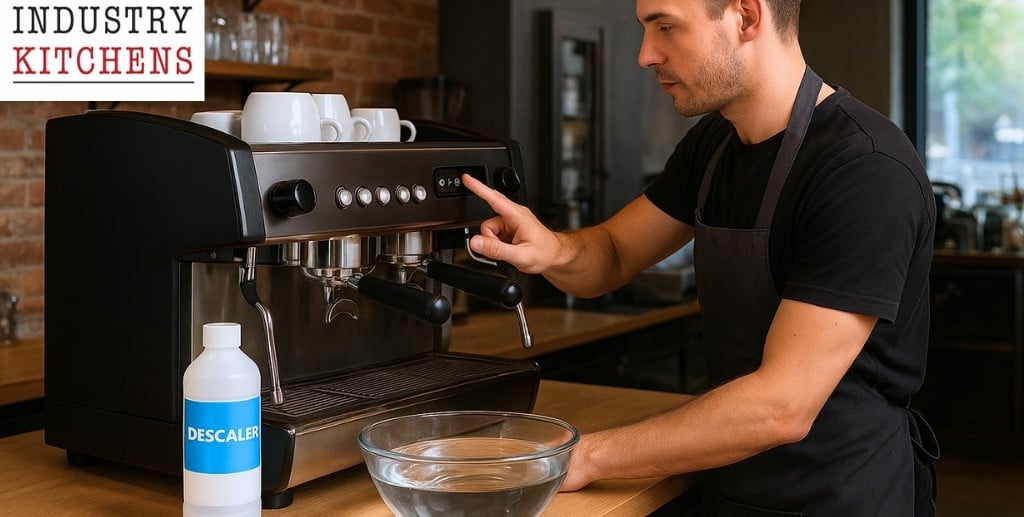
How to Descale an Espresso Machine (Step by Step)
Descaling an espresso machine requires care due to its steam wand and group head.
Fill the water tank with a mix of descaling solution and clean water.
Let the solution sit in the machine’s water reservoir for 10–15 minutes.
Start a brew cycle to push the cleaner through the group head and steam wand.
Stop midway and let the machine sit again. This loosens limescale build up and coffee oils.
Complete the cycle, then empty the water reservoir.
Rinse by running fresh water through several cycles until no residue of the descaling solution remains.
Don’t forget to wipe your espresso maker's drip tray and scrub the filter baskets. Proper descaling ensures consistent flavour extraction, avoids inconsistent water temperature, and keeps your coffee tasting great.
Descaling a Batch Brewer Made Simple
Batch brewers, like a large coffee pot or coffee maker, also need regular attention.
Empty the coffee maker’s reservoir and remove coffee grounds.
Fill the water reservoir with a manufacturer-approved commercial descaling solution.
Run a full descaling cycle through the brew basket.
Let the solution sit inside for 10 minutes before flushing.
Rinse 2–3 times with fresh water.
Batch brewers tend to trap more coffee oils and grime, especially in the drip tray. To keep things clean, give all the removable parts a good rinse with warm water. This helps your coffee taste consistent and prevents old buildup from ruining the next batch.
Easy Descaling for Super-Automatic Machines
A super-automatic espresso machine is convenient but more complex. Luckily, many include an automatic descaling function.
Insert descaling tablets or add a commercial descaling solution to the water tank.
Follow the on-screen prompts or manufacturer’s instructions.
The machine will push the cleaning agent through the steam wand, brew cycle, and water filter.
Once complete, flush with fresh water to remove any remaining descaling solution.
Don’t forget to:
Empty and wash the drip tray.
Wipe the machine with a damp cloth.
Remove coffee residue and milk residue after each session.
Do it right, and you'll maintain consistent coffee quality, protect your machine, and keep everything running smoothly long-term.
After Descaling: What to Check
After descaling, finish with these quick steps:
Run one more cleaning cycle with filtered water.
Check for steady water flow.
Brew a test cup of coffee to check the coffee flavour.
Wipe down with a damp cloth.
For daily maintenance, keep it simple: empty the drip tray, rinse removable parts with warm water, and clear out used coffee grounds.
These small steps, plus regular descaling and water filters, can reduce mineral buildup, especially from calcium and magnesium salts in hard water. It all adds up to fewer clogs, better brews, and a machine that lasts longer without surprise breakdowns.
Descaling Problems and How to Fix Them
Sometimes descaling doesn’t go as planned:
Still bitter coffee taste? Run extra rinses with fresh water.
Inconsistent water temperature? Check the water filter or repeat the descaling process.
Weak water flow? Mineral buildup may still block the machine’s water reservoir.
Strange noises? Try a deeper cycle or use a stronger descaling solution.
If issues continue, consult your manufacturer’s instructions. Some home coffee machines and professional models need a specific commercial descaling solution.
Training Your Staff for Descaling Success
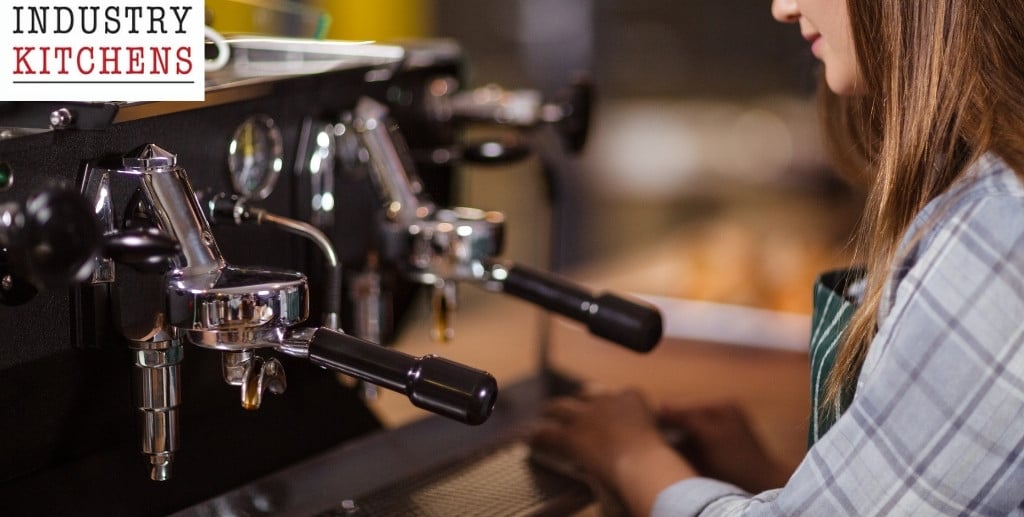
In cafés or restaurants, staff training is key.
Teach staff to clean your coffee machine daily with warm, soapy water (hot water is fine for metal parts, but avoid it on plastics).
Show them how to empty the water tank and drip tray.
Demonstrate the descaling cycle using the right descaling solution.
Explain how coffee oils and coffee residue affect coffee flavour.
A short checklist helps:
Wipe with a damp cloth
Remove coffee grounds
Descale monthly (or more often with hard water) using a commercial descaling solution
With some good training, your team will keep the machines running right and make sure every cup tastes fresh and hits the mark.
Conclusion
Knowing how to descale coffee machine equipment keeps your brews tasting fresh and your espresso machine or coffee maker running longer. Regular descaling stops limescale from clogging parts, protects water flow, and prevents costly repairs.
For cafés, restaurants, or any busy venue, the best results come from staff training, sticking to a routine, and using the right descaling solution.
At Industry Kitchens, we’ve watched kitchens transform when they stick to a simple descaling routine. Protect your machine now, and your morning coffee (or should we say all-day coffee) will stay strong, smooth, and hassle-free.
Frequently Asked Questions
How often should I descale my coffee machine?
How often you need to descale depends on your water hardness and how much you use the machine. If your water's hard, monthly descaling is a good rule of thumb. Softer water? Every 3 to 6 months should do the trick. And hey, always check your machine's manual just to be sure.
Can I use white vinegar to descale my espresso machine?
Yes, for home machines, but it must be rinsed thoroughly. However, we don't recommend vinegar for commercial coffee machines since it can damage seals and void warranties. Instead, use manufacturer-approved descaling solutions and clean removable parts separately with warm soapy water (hot soapy water for metal parts).
What’s the best descaling solution to use?
For commercial machines, your best bet is to stick with a proper commercial descaling solution. If you're using home coffee machines, you've got more flexibility: citric acid solutions, lemon juice, or descaling tablets work fine. Just make sure you pick the right one for your machine.
What happens if I skip descaling my machine?
Skipping descaling causes limescale buildup and mineral deposits. This blocks water flow, damages heating elements, and makes coffee taste bitter. Regular descaling keeps your coffee machine running smoothly and tasting great.
Can baking soda work as a descaling agent for coffee machines?
Baking soda can help with odours and stains. But it’s not the best descaling agent for mineral buildup. Use it for cleaning parts while using proper descaling solutions for deep cleaning.
More Coffee Machine Tips Here:


