


To make artisan bread, mix flour, water, yeast, and salt, then let patience do the rest. Many kitchens struggle to get that golden, crusty loaf that's soft inside day after day. Uneven heat, rushed fermentation, or the wrong tools can turn a promising batch into disappointment.
Proper artisan bread-making needs the right process, correct timing, and a touch of care. Once you get it right, making artisan bread becomes easy and enjoyable.
Industry Kitchens guides hospitality venues through each step, from simple dough preparation to baking in a Dutch oven or commercial bread oven. With the proper techniques, you'll consistently produce artisan bread with a crisp crust, chewy interior, and that irresistible aroma that keeps customers coming back.
TL;DR: Make Perfect Artisan Bread Quickly
Combine simple ingredients with careful dough handling for a golden, crusty finish.
Bake in a preheated Dutch oven or commercial oven traps steam, creating that perfect chewy crust.
Adding recipes like sourdough or herb loaves keeps menus fresh and customers returning.
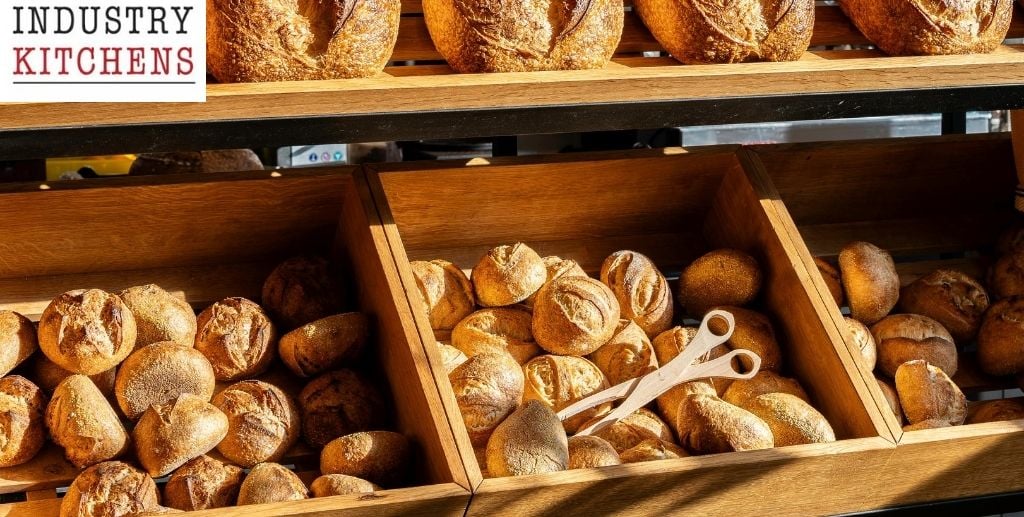
Why Artisan Bread is a Game-Changer for Hospitality Businesses
Fresh artisan bread transforms your customers' experience. It adds that warm, welcoming touch that guests remember. Artisan bread isn't just tasty; it can raise the quality of your menu and boost profit margins.
Many Australians now prefer the authentic flavour and texture of homemade artisan bread made from quality bread flour or whole wheat flour over mass-produced options. Offering a loaf of artisan bread with a crispy crust and chewy crumb sets your café or restaurant apart.
Knowing how to make artisan bread using the right recipes, including instant or active dry yeast, can help you meet customer expectations and elevate your hospitality business.

General Artisan Bread Recipe Process
While recipes can vary, the process usually follows a few steps that build flavour, texture, and that beautiful crust. In a commercial kitchen, consistency and technique are key to producing artisan-quality loaves at scale.
Ingredients for a Commercial Homemade Bread Recipe
Flour: Bread, whole wheat, or all-purpose
Yeast: Instant or active dry
Water: Warm, around 37°C
Salt: Kosher
Optional: Seeds, herbs, cheese for extra flavour
Flour: Bread, whole wheat, or all-purpose
Yeast: Instant or active dry
Water: Warm, around 37°C
Salt: Kosher
Optional: Seeds, herbs, cheese for extra flavour
Essential Commercial Equipment for Bread-Making
The right tools make baking faster and more consistent. Here are key bakery-grade essentials for professional bread recipes:
A preheated Dutch oven has thick walls that deliver even heat distribution. Commercial-scale Dutch ovens make it easier for high-volume kitchens to consistently bake multiple loaves of artisan bread.
Planetary mixers quickly handle large batches of bread dough, reducing prep time and effort.
Dough proofers provide precise temperature and humidity control for the crucial dough rest stage, ensuring your bread rises perfectly.
Commercial or deck ovens provide even oven temperature and uniform baking, resulting in consistently golden, crusty loaves every time.
Mixing and Dough Rest
Mix the dough using a large bowl or stand mixer until smooth. For the first dough rest, cover it with plastic wrap or a damp cloth. This fermentation helps the bread rise, develop flavour, and relax gluten for easier shaping. Proper dough rest is key to a crusty bread with a chewy crust.
Shaping and Final Proof
Form the dough into a round loaf or your preferred shape using a wooden spoon or your hands. Place the dough ball on parchment paper or a prepared baking sheet. Cover again with plastic wrap for the final proof, giving the dough volume and lightness for a loaf of artisan bread with an open crumb and crispy crust.
Baking in a Dutch Oven or Commercial Oven
Preheat the oven or Dutch oven to about 230°C. For a hot Dutch oven, place the dough ball on parchment paper and cover with the lid to trap steam, creating a golden brown, chewier bread crust.
If baking on a pizza stone or flat baking sheet, use a spray bottle to add steam. Bake until the crust is golden brown and the bread sounds hollow when tapped. Cool before slicing with a sharp knife.
Understanding Yeast Options: Instant vs Active Dry
Both instant and active dry yeast are popular in artisan bread recipes. Instant yeast dissolves quickly and can be mixed directly into dry ingredients. Dissolve active dry yeast first in warm water before use; this offers excellent flavour development.
Knowing how to use these yeasts properly affects the rise of your dough and the final texture of your homemade artisan bread. Proper yeast activation helps produce a golden brown crust and a soft, chewy crumb that customers love.
Perfecting Dough Rise
Cover your dough using plastic wrap or a damp cloth to keep the dough moist during the rest phase. This encourages a steady rise and better flavour.
A large bowl allows enough room for your bread dough to expand without sticking. Properly managing the dough rise gives you that perfect open crumb and helps shape the dough into beautiful round loaves or other shapes ready for baking.
Two Artisan Bread Recipes using the General Process
These easy, homemade, and crusty bread recipes are inspired by classic artisan bread techniques popularised by Jim Lahey's No-Knead Bread (New York Times) and King Arthur Baking Company. These sources provide the foundation for simple, reliable bread recipes widely used by home bakers and hospitality professionals.
Other Bread Recipes Variations
Keeping your bread recipes fresh is a great way to keep customers happy—and coming back for more. Small twists on your favourite recipes can add variety and excitement. Try these popular artisan bread variations:
Sourdough-style bread for a tangy, rustic flavour
Olive and herb loaves for a savoury kick
Whole wheat bread for health-conscious customers

Tips for Serving Artisan Bread in the Hospitality Industry
Timing, storage, and presentation all matter when you want to impress customers while keeping waste low. These simple tips help you serve the best crusty bread every time, making your menu shine.
Time baking bread to finish just before busy service hours for fresh, warm loaves with a crispy crust.
Wrap leftover homemade artisan bread in parchment paper or plastic wrap to keep it from drying out.
Reheat bread gently to bring back that chewy crust and golden brown finish.
Pair your loaf of artisan bread with soups, cheeses, or spreads on your menu to elevate flavour.
Offer sliced or sandwich bread options to suit customer preferences and reduce waste.
Commercial Bread-Making Solutions from Industry Kitchens
Industry Kitchens supplies a wide range of professional equipment designed to meet the needs of artisan bakeries, cafés, and restaurants. From durable Dutch ovens and powerful dough mixers to precise proofers and commercial ovens, we have the tools to speed up your bread-making process and ensure consistent results.
Additional Artisan Equipment Categories
Blast chillers and shock freezers help preserve dough, fillings, or baked goods, ensuring consistent flavour and texture for your breads and pastries.
Meat & Cheese Aging Cabinets let you craft artisan breads with toppings like aged cheese or charcuterie for sandwiches.
Dough Mixers & Proofers: Essential equipment for mixing large batches of dough and managing dough rise perfectly.
Cold-press juicers help keep nutrients intact with slow-speed juicing for freshly squeezed drinks, the best partner for your artisan bread.
Underbench and prep fridges are refrigeration solutions to keep ingredients ready at hand.
Display Fridges for Retail & Deli: Showcase your artisan products while maintaining proper temperature and hygiene.
Conclusion
Mastering how to make artisan bread can genuinely elevate your hospitality business. Using quality ingredients like bread flour and whole wheat flour, paired with the right tools—from a preheated Dutch oven to commercial dough mixers—ensures consistently delicious, crusty bread.
Managing dough rise and choosing between instant yeast and active dry yeast makes all the difference in texture and flavour. At Industry Kitchens, we provide expert advice and reliable equipment to help cafés and bakeries bake perfect loaves every time. Contact us today at [email protected] or call 1800 161 368 to bring artisan bread baking to your business.
Blast chillers and shock freezers help preserve dough, fillings, or baked goods, ensuring consistent flavour and texture for your breads and pastries.
Meat & Cheese Aging Cabinets let you craft artisan breads with toppings like aged cheese or charcuterie for sandwiches.
Dough Mixers & Proofers: Essential equipment for mixing large batches of dough and managing dough rise perfectly.
Cold-press juicers help keep nutrients intact with slow-speed juicing for freshly squeezed drinks, the best partner for your artisan bread.
Underbench and prep fridges are refrigeration solutions to keep ingredients ready at hand.
Display Fridges for Retail & Deli: Showcase your artisan products while maintaining proper temperature and hygiene.
Frequently Asked Questions
What makes a bread an artisan bread?
Artisan bread uses traditional methods, simple ingredients, and slow fermentation. It's hand-shaped and baked to develop a crispy crust and open crumb. Rather than mass production, the focus is on quality, flavour, and texture. It's the bread you'd find in a boutique bakery or café.
What flour is good for artisan bread?
Bread flour is the best choice for artisan bread. It contains a higher protein content and develops gluten for a chewier texture. Whole wheat flour is also popular for a nuttier flavour. Many bakers combine both for a balanced crumb and crust.
What are the four ingredients to make bread?
The four basic ingredients for bread are flour, water, yeast, and salt. These simple ingredients combine to create dough that ferments, rises, and bakes into delicious bread. Quality ingredients make a big difference in flavour and texture.
What are the three basic ingredients to make bread?
The three basic ingredients are flour, water, and yeast. Salt is often added for taste, but technically, bread can be made without it. Yeast helps the dough rise, while flour and water form the dough's structure.
What is the difference between artisan and regular bread?
Artisan bread is handmade, slow-fermented, and baked for flavour, texture, and a crispy crust. Regular bread is mass-produced with additives to speed up baking and extend shelf life. Artisan bread feels more natural and tastes richer.
Read more of our related articles here:


